What Are Security Supplies?
Security supplies is a broad umbrella term covering any physical product, device, or system used to deter, detect, delay, or document unauthorized access, theft, vandalism, or harm. This includes everything from a $3 window latch to a $3,000 IP camera system.
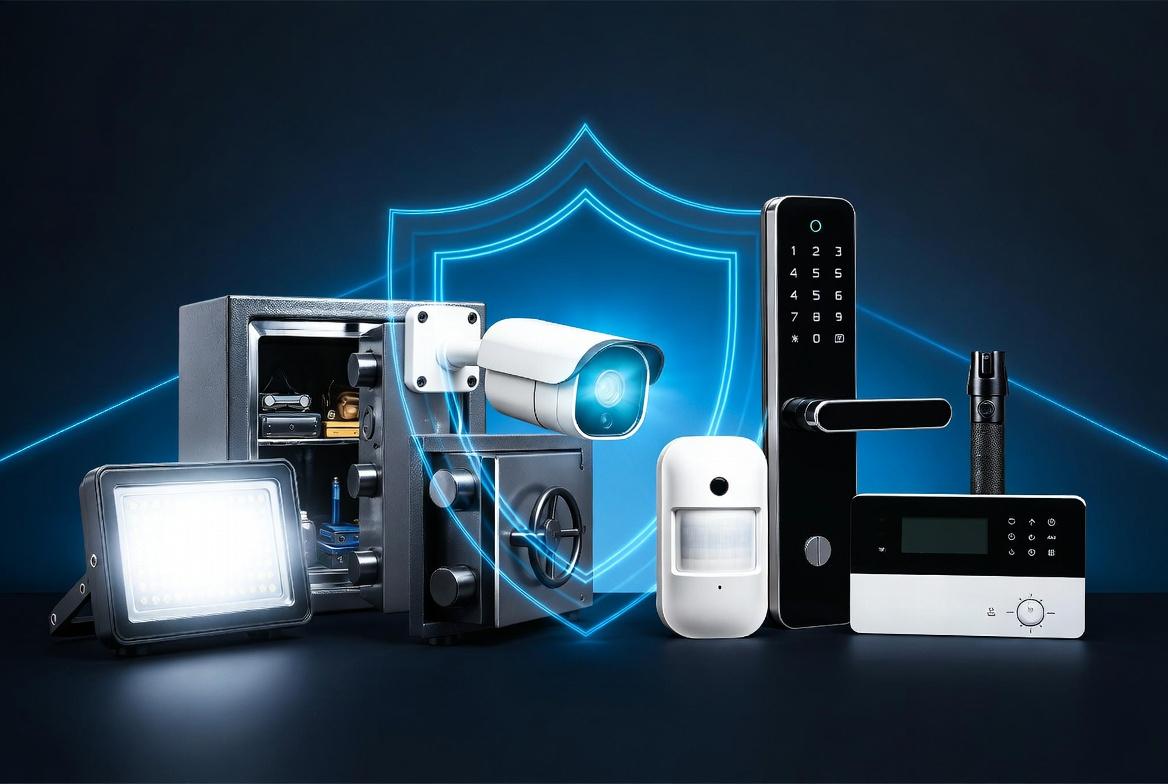
The category broadly breaks down into five pillars:
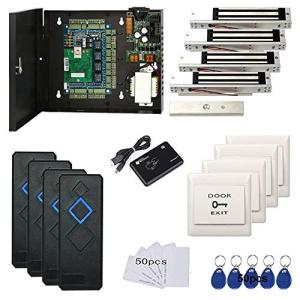
- Access control — locks, keypads, biometric scanners, card readers
- Surveillance — cameras, monitors, recording systems, motion detectors
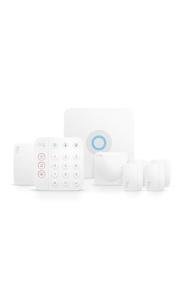
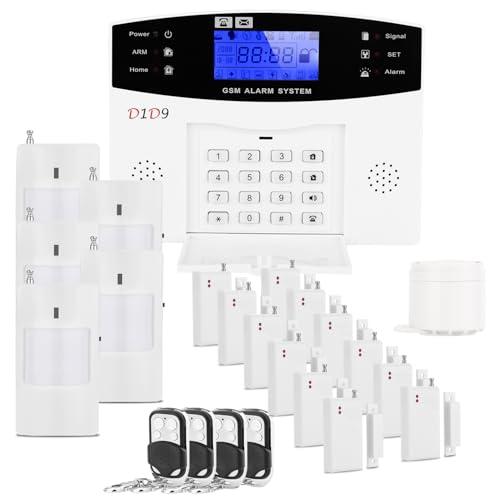
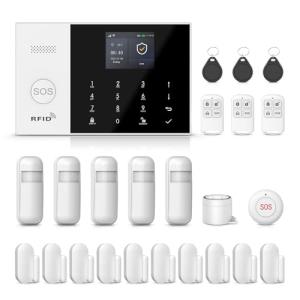
- Alarms — door/window sensors, sirens, panic buttons, glass break detectors
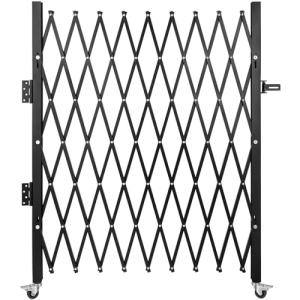
- Physical barriers — safes, security film, reinforced doors, bollards
- Personal security — pepper spray, personal alarms, dash cams
Let's go through each, the products worth knowing, and the real-world vendors supplying them.
Access Control — The First Line of Defense
Access control determines who gets in and who doesn't. It's the most fundamental layer of any security plan.
Traditional Locks and Deadbolts
The lock industry has consolidated around a handful of reliable manufacturers. Schlage, based at 11819 N Pennsylvania St, Carmel, IN 46032, remains the gold standard for residential deadbolts. Their B60N series is routinely recommended by locksmiths and security consultants for its ANSI Grade 1 rating — the highest classification for residential security hardware.
Medeco, headquartered at 3625 Alleghany Dr, Salem, VA 24153, takes things a step further with high-security cylinders that resist picking, bumping, and drilling. These are the locks you'll find on government buildings and upscale commercial properties. They're not cheap — expect to pay $150–$400 per cylinder — but they're practically impenetrable without the key.
For budget-conscious buyers, Master Lock (headquartered at 137 W Forest Hill Ave, Oak Creek, WI 53154) offers respectable padlocks and combination locks for storage units, gates, and sheds.
Smart Locks and Keypad Entry
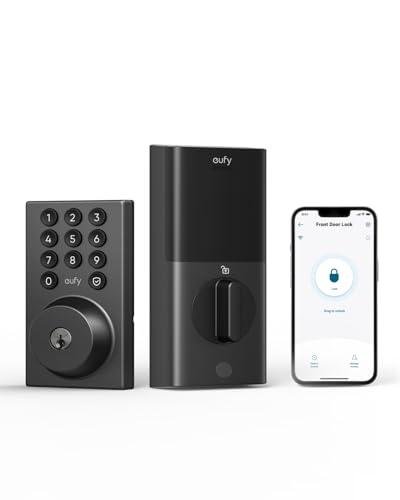
The smart lock market has exploded over the last decade. August Home (now part of Assa Abloy, located at 110 S Wacker Dr, Chicago, IL 60606) makes retrofit smart locks that layer over your existing deadbolt, adding app control and auto-lock without replacing the cylinder.
Schlage's Encode series and Kwikset's Halo line both offer Wi-Fi–enabled keypads that work without a hub. These are solid choices for Airbnb hosts, property managers, or anyone who regularly lets in contractors and guests. Access codes can be created, deleted, and scheduled remotely — a genuine upgrade over cutting keys.
Commercial-Grade Access Control
At the commercial level, you're looking at card reader systems, biometrics, and door controllers. Companies like Honeywell Security (200 S Ring Rd, Melville, NY 11747) and Lenel (a UTC Fire & Security brand, 1212 Pittsford-Victor Rd, Pittsford, NY 14534) dominate this space. Their systems integrate with HR software to automatically revoke building access when an employee leaves — something no padlock can do.
Biometric fingerprint readers have dropped in price significantly. Suprema, a Korean manufacturer with North American operations in Alpharetta, GA, offers readers that can process fingerprints in under a second with a false acceptance rate of less than 0.001%.
Surveillance — Eyes When You Can't Be There
A camera doesn't stop a crime. But it records it, deters it, and helps prosecute it. In the modern security toolkit, surveillance is non-negotiable.
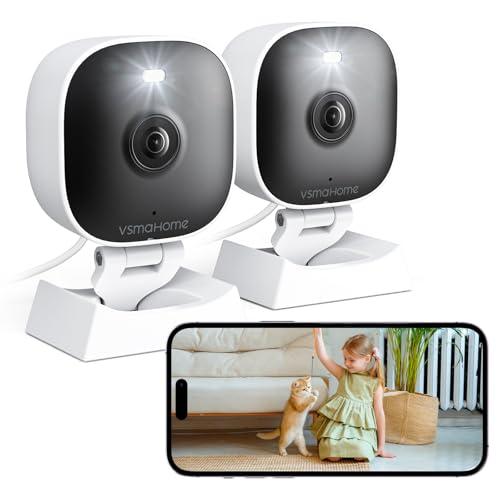
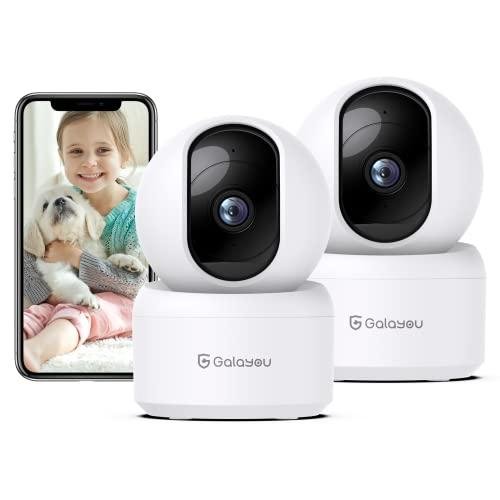
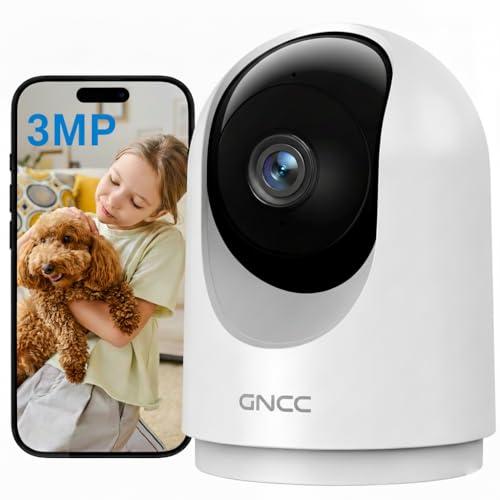
Consumer IP Cameras
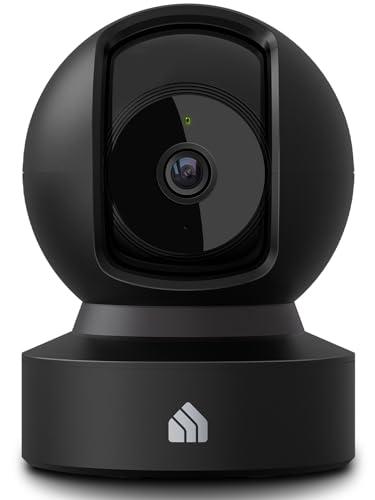
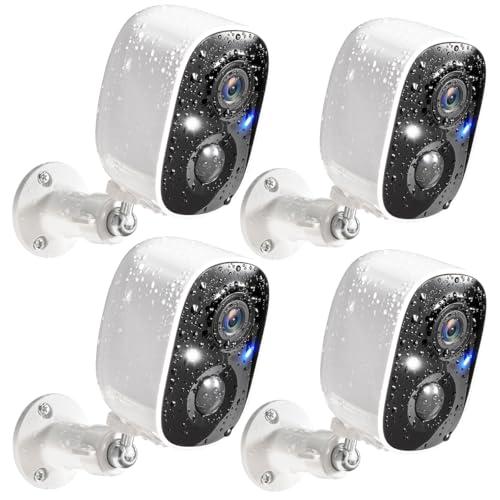
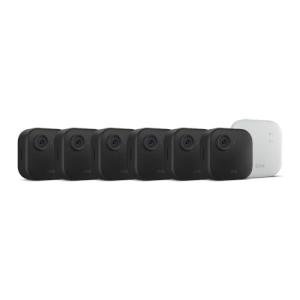
For home users, the options are numerous and affordable. Arlo Technologies (2200 Faraday Ave, Carlsbad, CA 92008) produces wire-free cameras that run on batteries and can be placed virtually anywhere. Their Pro 5S model shoots 4K with color night vision and integrates seamlessly with Apple HomeKit, Google Home, and Amazon Alexa.
Ring (now an Amazon subsidiary, 1523 26th St, Santa Monica, CA 90404) dominates the doorbell camera market. Their Video Doorbell Pro 2 offers head-to-toe video with a 150-degree field of view — wide enough to capture package thieves approaching from the side. Ring's neighborhood alert system, Neighbors, has become a de facto community watch platform in thousands of cities.
Reolink, a San Francisco–based company with offices at 3401 Crow Canyon Rd, San Ramon, CA 94583, offers impressive value. Their RLC-810A is an 8MP PoE camera with smart detection for under $100 — a setup that cost five times as much just eight years ago.
Professional-Grade NVR Systems
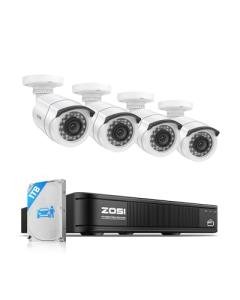
Network Video Recorder (NVR) systems are what businesses, warehouses, and serious homeowners install when a few Wi-Fi cameras aren't enough. Hikvision (North American HQ at 18639 Railroad St, City of Industry, CA 91748) and Dahua Technology are the dominant manufacturers globally, supplying many of the white-label systems sold under other brand names.
Axis Communications (300 Apollo Dr, Chelmsford, MA 01824) is the premium end of the market — their cameras are used in airports, casinos, and courthouses. Resolution, color accuracy, and analytics capabilities (license plate recognition, object classification, crowd detection) are unmatched.
For installation, most businesses work with local integrators rather than buying direct. A full 16-camera NVR system with professional installation typically runs $4,000–$12,000 depending on camera quality and site complexity.
Dash Cams and Vehicle Security
Vehicle theft and insurance fraud have driven massive growth in dash cam adoption. Blackvue (distributed in the US by Power Magic, 2985 E Hillcrest Dr, Thousand Oaks, CA 91362) makes cloud-connected dash cams that transmit footage live — invaluable if your car is stolen while parked.
Nextbase, a Welsh manufacturer with US distribution at 5871 W Las Positas Blvd, Pleasanton, CA 94588, offers a modular system where you can add rear and cabin cameras to a single front unit.
Alarm Systems — The Deterrent That Works
A visible alarm system is one of the most effective deterrents available. Studies consistently show that burglars bypass alarmed properties in favor of easier targets.
Monitored vs. Unmonitored Systems
The fundamental choice in alarms is whether you want professional monitoring — where a central station contacts you and dispatches emergency services if triggered — or a self-monitored system that sends you phone alerts and relies on you to act.
ADT (1501 Yamato Rd, Boca Raton, FL 33431), founded in 1874, is the largest professional monitoring company in the United States with monitoring centers in multiple cities. Their 24/7 response time averages under a minute for alarm events. Monthly contracts run $28–$60 depending on equipment and response level.
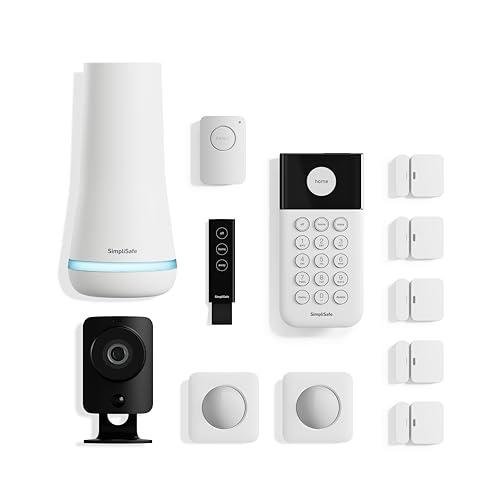
SimpliSafe (294 Washington St, Boston, MA 02108) disrupted the market with no-contract monitoring at $15–$25/month. Their Fast Protect plan includes live camera verification before dispatch — reducing false alarm fees from police departments that have begun charging for repeated false calls.
Commercial Fire and Intrusion Alarms
Commercial environments require systems that meet local fire codes and often NFPA 72 standards. Notifier (a Honeywell brand, 12 Clintonville Rd, Northford, CT 06472) and Bosch Security Systems (130 Perinton Pkwy, Fairport, NY 14450) are the primary brands specified by commercial contractors and code officials.
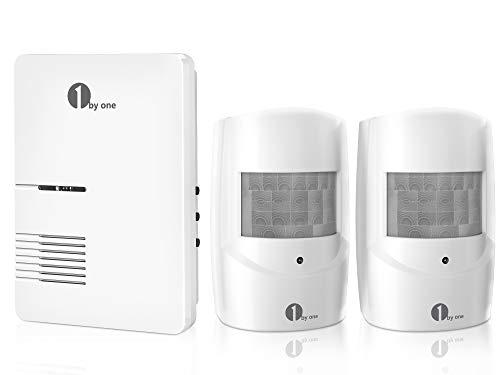
Wireless intrusion sensors — door contacts, PIR motion detectors, glass break sensors — have become the standard even in commercial retrofits where running new wire is cost-prohibitive.
Physical Barriers — When Technology Isn't Enough
Sometimes the best security supply is a physical one. A reinforced door frame, a heavy-gauge safe, security film on windows — these work regardless of power outages, hacking, or signal jamming.
Safes and Vaults
Liberty Safe (1199 W Utah Ave, Payson, UT 84651) is the most recognized American safe manufacturer. Their Presidential series — made of 11-gauge steel — is the choice for serious gun owners and small businesses storing cash and documents. Fire rating matters: look for UL-rated models with at least a 60-minute rating at 1,200°F.
For smaller valuables, the SentrySafe SFW123GDC (made by Master Lock, same Oak Creek, WI address listed above) is a practical choice. Biometric and electronic combination options are available throughout their line.
At the commercial level, Diebold Nixdorf (50 Executive Pkwy, Hudson, OH 44236) makes the ATM safes and bank vaults you've seen in financial institutions. Their custom vault doors are engineered to resist attacks measured in hours, not minutes.
Security Film and Window Reinforcement
3M Safety Series window film (3M Center, St. Paul, MN 55144) is one of the most underrated security products available. Applied to glass, it holds shattered glass in place after impact, dramatically slowing forced entry and reducing injury risk from smash-and-grab attempts. It's transparent, doesn't affect the look of your windows, and ranges from $8–$15 per square foot installed.
Bollards and Vehicle Barriers
Hostile vehicle mitigation has moved from government buildings to shopping centers, restaurants, and storefronts following a string of vehicle-ramming incidents. Delta Scientific (40355 Harvest Moon Ct, Palmdale, CA 93551) manufactures retractable and fixed bollards rated to stop a 15,000-pound vehicle at 50 mph. You've seen their barriers at airports and federal buildings without knowing it.
For lighter applications — parking control, property delineation — decorative bollards from companies like Reliance Foundry (19100 Airport Way, Pitt Meadows, BC, Canada) are an affordable visual deterrent.
Personal Security Supplies
Personal security is the most immediate category — gear that protects an individual rather than a property.
Mace Brand (1000 Crawford Pl, Mt Laurel, NJ 08054) produces the pepper spray products most people recognize. Their police-strength Magnum 4 sprays up to 20 feet and is OC-based (oleoresin capsicum) rather than CN gas, which is more reliably effective.
SABRE Security Equipment Corporation (3926 Stern Ave, St. Charles, IL 60174) is the brand actually used by many police departments. Their personal alarms and pepper gels are sold through major retailers and their website. The gel formula is particularly useful — it reduces blowback risk in windy conditions.
For personal safety alarms, BASU (distributed via Amazon) produces a 130dB keychain alarm favored by college students and solo travelers.
How to Layer Your Security — The Defense-in-Depth Model
Security professionals use a concept called defense-in-depth: no single layer is expected to stop everything. Instead, multiple layers work together so that defeating one doesn't mean defeating all.
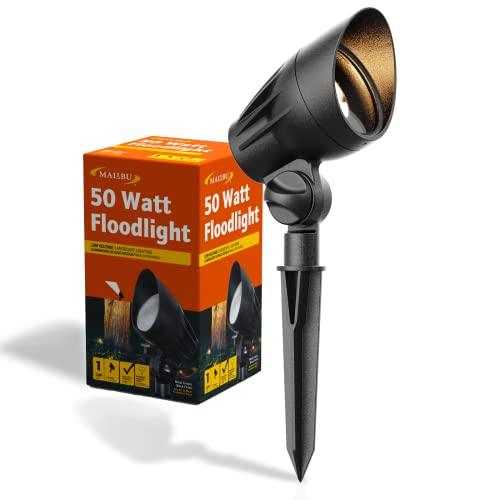
A well-layered residential system looks something like this: the perimeter (motion-activated lights, visible cameras, signage indicating monitored premises) creates the first psychological deterrent. The entry points (Grade 1 deadbolts, reinforced strike plates, door sensors connected to an alarm) create physical resistance. The interior (a monitored alarm, interior cameras, a fire-rated safe) handles the scenario where an intruder makes it inside. And personal devices — a phone with a monitoring app, a doorbell camera with two-way audio — let the homeowner respond remotely in real time.
For a small retail business, the same logic applies but the stakes are different. Shoplifting is more common than break-ins, so point-of-sale cameras, EAS (Electronic Article Surveillance) tags, and loss prevention training sit alongside the traditional alarm and access control hardware.
Where to Buy Security Supplies
Big-Box Retail
Home Depot (2455 Paces Ferry Rd, Atlanta, GA 30339) carries a solid selection of residential locks, safes, basic cameras, and alarm panels. You'll find brands like Schlage, Ezviz, Ring, and SentrySafe on the shelf. Staff knowledge varies significantly by store.
Costco (999 Lake Dr, Issaquah, WA 98027) offers occasional deals on Arlo, Ring, and Lorex camera bundles that beat online pricing during sale periods.
Specialty Security Distributors
For professional-grade equipment, the supply chain looks different. ADI Global Distribution (2231 E Camelback Rd, Phoenix, AZ 85016) — part of Resideo — is the largest security and low-voltage distributor in North America. Contractors and integrators purchase Bosch, Honeywell, Axis, and Hikvision product here at trade pricing. Consumers can sometimes purchase through an account with supporting documentation.
Tri-Ed (2 Manhattanville Rd, Purchase, NY 10577) is another major distributor, particularly strong on video surveillance and IP camera systems.
Online Marketplaces
Amazon carries almost everything in the consumer security space, often at lower prices than brick-and-mortar. Be cautious of unbranded products from unknown manufacturers — in the camera category especially, these can contain software vulnerabilities that expose your home network.
Security Camera King (3343 W Commercial Blvd, Fort Lauderdale, FL 33309) is an online specialist with deep product knowledge and custom configuration support — a resource worth knowing if you're building an NVR system from scratch.
Things the Industry Doesn't Always Tell You
A few things that don't make it onto marketing materials:
Most residential security cameras transmit data to the manufacturer's cloud servers — in some cases, servers located outside the United States. For users concerned about data privacy, self-hosted NVR systems (using cameras with no cloud dependency) are worth the extra setup effort.
The weakest point of entry in most homes isn't the lock — it's the door frame. A $15 reinforcement kit (available from companies like Door Armor, based in Riverton, UT) addresses the failure mode that sends most cheap doors flying open under a single kick. If you buy an expensive lock but leave the original short-screw strike plate in place, you've spent money on the wrong problem.
Alarm monitoring response times vary wildly. Ask monitoring companies for their average verified response time, not just their headline promise. Some companies outsource monitoring overnight, which can add minutes to dispatch calls.
Finally, insurance discounts for security upgrades are real. Many homeowners and commercial property insurers offer 5–20% premium reductions for documented alarm monitoring, approved deadbolts, or fire suppression systems. It's worth a call to your insurer before you buy.
The Future of Security Supplies
The clearest trend in the security supply industry is AI-enhanced analytics. Cameras that can distinguish a person from a tree branch, flag packages left unattended, or recognize license plates are no longer enterprise-only products. Verkada (200 California Ave, Palo Alto, CA 94306) has built an entire platform on cloud-managed cameras with built-in AI analytics — a favorite of K-12 schools and corporate campuses that want powerful surveillance without a dedicated IT team managing it.
Thermal imaging, once reserved for military and government use, is finding its way into commercial perimeter security. FLIR Systems (27700A SW Parkway Ave, Wilsonville, OR 97070) — now part of Teledyne Technologies — makes thermal cameras that detect body heat through complete darkness and light rain, with no infrared illuminators required.
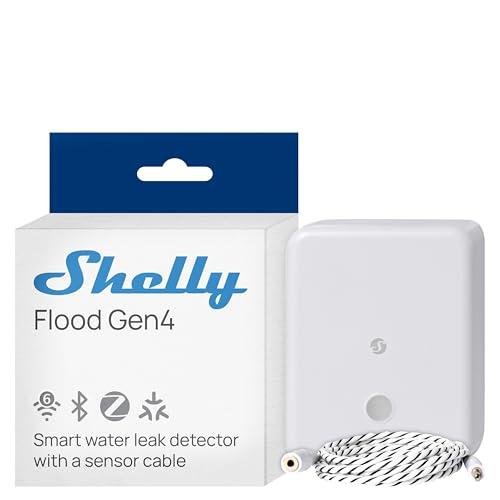
On the consumer side, mesh sensor networks are gaining ground. Devices like Wyze Sense and SimpliSafe's sensor ecosystem allow homeowners to turn their entire property into a web of detection points — motion sensors, door contacts, water leak detectors, air quality monitors — all reporting to a single app.
Security Supplies Are an Investment, Not an Expense
The math on security supplies is straightforward: a solid lock costs less than your deductible. A camera system costs less than replacing stolen equipment. A monitored alarm can cut your insurance premium enough to pay for itself over time.
Security isn't glamorous, and most of it lives invisibly — behind your door frame, inside your window glass, in a cloud server logging access codes. But when it matters, it matters enormously.
The industry is populated by reputable manufacturers, experienced installers, and established distributors. The products work. The question is always whether the protection in place matches the actual risk — and that answer is different for a studio apartment in a quiet suburb and a jewelry store on a busy commercial strip.
Whatever your situation, the framework is the same: layer your defenses, buy from reputable brands, and don't assume the most expensive product is automatically the best one for your context. Do that, and you're already ahead of most